Linen Care and Sustainability: How to Maximize Comfort and Longevity
A National Geographic–style exploration of linen textures, care rituals, and the environmental footprint of one of humanity’s oldest fabrics. From flax fields to the washing machine, discover how deliberate care decisions extend comfort, reduce waste, and honor a tradition of craftsmanship.
Introduction: Why Linen Matters Today
Linen has clothed civilizations for millennia, weaving a narrative of resilience, breathability, and evolving technique. In the modern home, linen bedding and towels carry with them a quiet authority: a texture that softens with use, a weight that adapts to seasonal shifts, and a lifecycle that rewards thoughtful stewardship. This article follows the journey of linen from fiber to finish, and from consumer decisions to environmental outcomes. It also highlights how a careful, educated approach to care—washing, drying, storage, and routine maintenance—can maximize both comfort and longevity.
The topic intersects three interwoven themes: material science (why linen feels so breathable and durable), sustainable practice (how farming, processing, and finishing impact the environment), and everyday rituals (how care choices affect performance and softening over time). By examining these threads, readers can align family habits with a broader, responsible lifestyle—without sacrificing the tactile pleasures of linen.
As with any durable good, linen’s true value emerges through attentive use. The fibers, spun into yarns and woven into textiles, reveal themselves most clearly when subjected to routine care that respects their character: a gentle touch, an informed wash, and a patient, gradual softening. The result is a fabric that remains comfortable for years, and a household that minimizes waste in a demanding era.
1) Linen Fibers: Breathability, Durability, and Seasonal Adaptability
Linen’s breathability derives from its indented, hollow fiber structure and the natural architecture of flax. The fiber’s microchannels promote air flow, allowing linen to wick away moisture while still maintaining warmth when temperatures dip. This dual performance—cooling in heat, warmth in cool weather—stems from cellulose-rich flax fibers that absorb moisture without becoming heavy. The texture evolves with each wash, moving toward a softer, more comfortable hand while retaining a crisp, elegant drape.
Beyond comfort, linen’s durability emerges from a robust natural fiber with high resistance to pilling and abrasion. A well-constructed linen sheet, for example, can withstand frequent laundering if cared for properly. The fabric’s long-staple flax fibers—woven with care in mills that emphasize quality—contribute to longevity, while finishes such as pick-stitch cuffs on fitted sheets and hemstitch detailing on pillow shams subtly influence wear and tear.
In practice, the best linen products tell a story of provenance. A sheet labeled “100% organic flax grown in France; linen woven in Portugal” signals a lifecycle built on transparent sourcing and collaborative European craftsmanship. Such lineage is not mere marketing—it is a record of stewardship, where environmental and social considerations are woven into the textile’s very fabric.
2) Care as a Sustainable Act: Practical Washing, Drying, and Handling
The core of linen care rests on gentle washing, mindful drying, and minimal chemical intervention. Linen benefits from cooler washes with mild, plant-based detergents. High-temperature cycles can degrade fibers over time and accelerate the loss of natural texture. When possible, wash linen on gentler settings with like colors, avoiding aggressive bleach that weakens the fiber’s structural integrity.
Drying strategy matters just as much as washing. Tumble drying on low heat can preserve softness, while line drying or air-drying reduces energy use and helps maintain fiber integrity. If you must use a machine, remove textiles while they are still slightly damp to reduce wrinkling, and consider letting them finish drying in a low-heat setting. The goal is a balance: minimizing energy use while maintaining the fabric’s natural texture and resilience.
Finishes matter too. A plant-based softener can help linen slide softly over the skin while preserving the fiber’s breathability. However, frequent use of softeners can build up on fibers and diminish absorbency over time. Occasional use, or switching to natural, unscented options, can preserve performance while still delivering a gentle hand.
3) Comparing Linen with Other Fibers: A Quick Guide to Sustainability Metrics
When evaluating textiles, a practical framework considers energy use, water usage, chemical inputs, and end-of-life options. Linen, grown with flax, often requires fewer synthetic inputs than many conventional cottons. Fields for flax are relatively resilient and can benefit from crop rotation, reducing soil pressure and chemical dependence. In processing, linen typically employs mechanical scouring and retting steps that are energy- and water-conscious when managed responsibly.
In contrast, cotton, especially non-organic variants, can demand significant water and pesticide resources. Synthetic fibers bring durability and performance, but they demand energy-intensive manufacturing and generate microplastic concerns. Linen’s ecological footprint improves when sourced from organic, responsibly managed flax and when finished with durable, repairable construction rather than fast fashion approaches.
A practical takeaway for households is to value textiles that emphasize longevity, repairability, and transparent sourcing. A 15" deep pocket fitted sheet finished with pick-stitch cuffs from responsibly sourced flax illustrates how sustainable design can marry everyday utility with ecological mindfulness.
4) A Multigenerational Perspective: Three Key Individuals from Different Time Periods
Linen has woven through time, linking farmers, artisans, and thinkers across centuries. Here are three influential figures who, in distinct eras, illuminate the enduring relationship between textiles and human experience.
- Columella (circa 1st century CE, ancient Rome): An early agronomist whose writings on agricultural practices illuminate the long history of linen as a staple fiber in Mediterranean and Near Eastern cultures. Columella’s observations on crop rotation, soil management, and harvest timing echo in the linen supply chains that sustained households for generations. His work anchors linen within broader questions of sustainability, resource use, and rural resilience.
- Levi Strauss (19th century, United States theater of commerce): While best known for durable cotton canvas, Strauss’s era intersected with textiles’ expansion into mass-produced home goods. In a broader sense, the 1800s were a turning point where the availability of imported textiles, global trade, and evolving laundering technologies reshaped domestic life. Linen, too, benefited from industrial innovation in spinning, weaving, and finishing, enabling households to access premium textiles at scale.
- Ruth Goodman (20th–21st century, British craft historian and maker): A modern advocate for traditional textile crafts, Goodman’s scholarship and DIY ethos celebrate the tactile rigor of historical techniques. Her work reinforces a contemporary appreciation for linen’s durability and the craft‑oriented mindset—the kind of practical knowledge that informs today’s sustainable textile choices and care practices.
These figures—spanning antiquity to modern times—underscore linen’s continuity: a material that travels with human needs, adapting from field to loom, from archive to household, with an enduring invitation to care thoughtfully for what we own.
5) A Product Spotlight: Organic Relaxed Linen Fitted Sheet
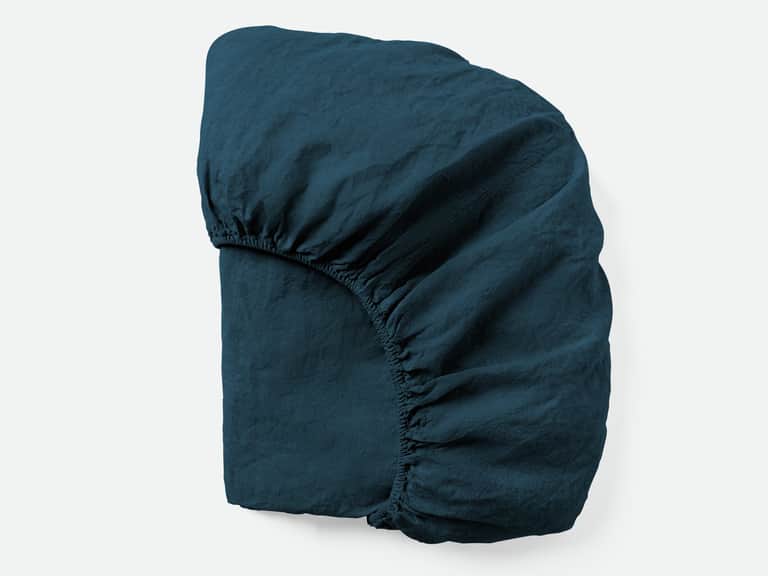
A concrete example of care and sustainability in practice is the Organic Relaxed Linen Fitted Sheet. This piece embodies the union of ethical sourcing and everyday comfort: 100% organic flax grown in France, linen woven in Portugal, and a 15" deep pocket with full elastic for a secure fit. Its pick-stitched cuffs provide a refined finish, while the plant-based softener offers a gentle hand that evolves with use.
The product’s Lifecyle story mirrors the themes explored here: organic farming reduces chemical inputs; responsible weaving keeps emissions in check; and durable construction supports longevity, encouraging buyers to reuse and repair rather than discard. For readers who value transparency, the GOTS certification signals adherence to strict environmental and social criteria, strengthening trust in the textile’s provenance.
Organic Relaxed Linen Fitted Sheet
GOTS-certified, 100% organic flax, France/Portugal supply chain
Construction: 15" deep pocket; full elastic; cuffs with pick stitching. Care: Machine wash cold, gentle cycle; tumble dry low; warm iron if desired.
Key Characteristics
- Comfort: relaxed drape that softens with each wash
- Durability: long-staple flax fibers resist wear
- Health: certified organic sourcing reduces chemical exposure
The Organic Relaxed Linen Fitted Sheet stands as a practical exemplar of how mindful sourcing and careful finishing translate into tangible daily benefits. It is a fabric that invites repeating every night, not just for warmth and softness, but for a sense of stewardship that transcends fashion.
6) Practical Guidelines for Everyday linen Care
- Sorting and preparation: separate linen from heavily soiled or greasy items, and consider pretreating stains with gentle, plant-based options. Avoid chlorine-based bleaches; opt for oxygen-based alternatives when needed.
- Washing temperatures: linen responds well to warm water for thorough cleaning, but cool cycles can preserve color and fiber integrity over time. Consider cold to warm cycles for routine care, reserving higher temperatures for stubborn stains or sanitation needs.
- Detergent choice: choose mild, phosphate-free detergents with plant-based bases. Avoid fabric softeners if you want to maintain maximum absorbency and a crisp hand, using them sparingly or not at all.
- Drying: line-drying in sunny or breezy conditions can preserve fiber quality and reduce energy use. If using a dryer, select a low heat setting and remove promptly to minimize wrinkling.
- Storage: keep linen textiles in a cool, dry place away from direct sunlight. A breathable garment bag or cotton storage case prevents moisture buildup while preserving the material’s natural texture.
7) Conclusion: A Longevity Mindset for Linen and Life
Linen invites a mindful approach to daily life—one that values durability, comfort, and environmental awareness. By choosing textiles with transparent provenance and caring for them with gentleness and intention, households can enjoy the tactile pleasures of linen for years to come. In a world of disposable fashion and fast cycles, linen’s enduring appeal lies not only in its texture and temperature regulation but in its capacity to reward stewardship and patience.
The lifecycle of linen—seed to sheet—becomes a narrative about balance: between agricultural stewardship, craft, and user habits. The three generations of care, the modern certifications, and the practical routines outlined here form a simple philosophy: treat linen with respect, and it will, in turn, respect you with longevity, comfort, and a sense of sustainable luxury.
Images and Visual Accents
The following imagery highlights the tactile beauty and craftsmanship associated with linen textiles. Displayed images are representative of the product and material narratives and emphasize the natural textures, refined finishes, and sustainable sourcing discussed in this article.
Organic Relaxed Linen Fitted Sheet
France/Portugal supply chain
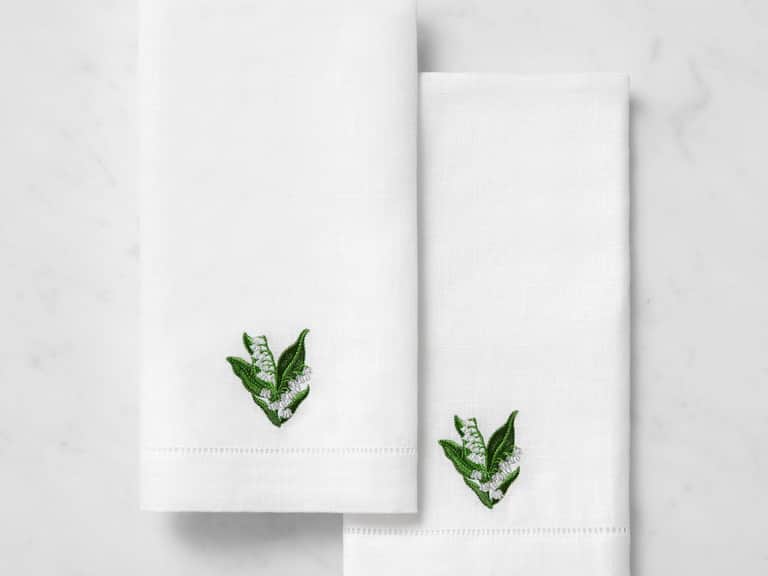
Fiorenza Guest Towel
Linen, Lithuania origin
Naturepedic Organic Linen Sheets
GOTS-certified linen

Note: Images above display product photography related to the article's themes. They illustrate the textures and finishes described, including the Organic Relaxed Linen Fitted Sheet, Fiorenza Guest Towel, and Naturepedic linen textiles.
Further Reading and Resources
- Glossary of textile terms: flax, retting, weft, warp, hemstitch, placemats, and more.
- Guides to organic certifications such as GOTS and their implications for consumer choices.
- Profiles of artisans and designers who champion traditional textile techniques in modern homes.
